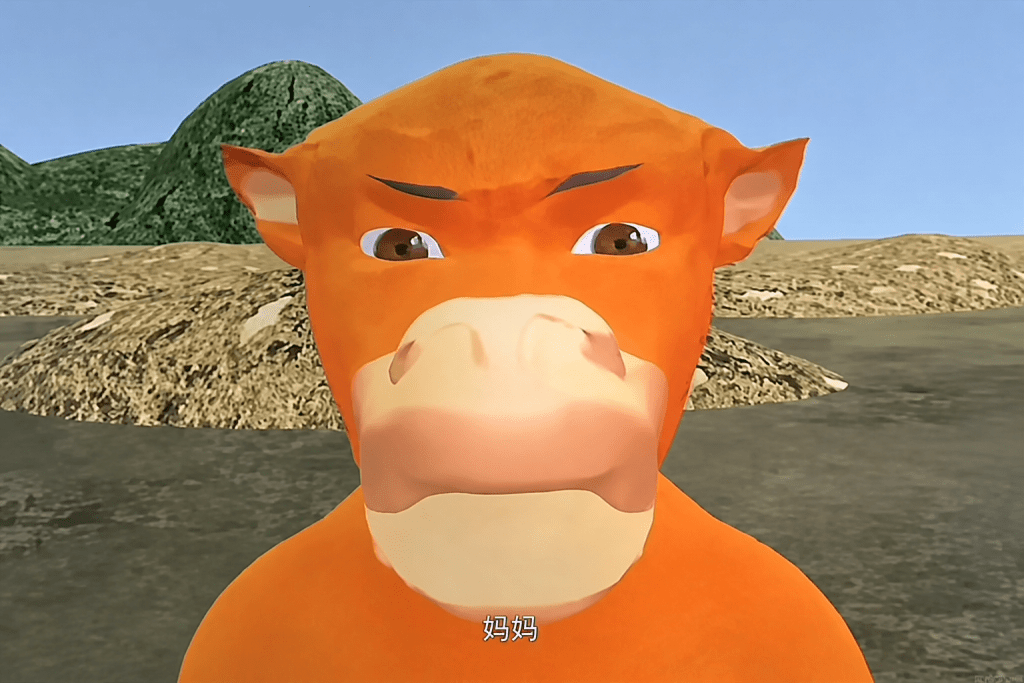
牛来 · niú lái · Lead, growing
Niu Lai
The newborn calf the film is named for. He's born weak and can't stand on his own at first — his
mother's name for him doubles as an encouragement, and the film builds outward from that first act
of care. A grass snake bite early on leaves him with a lasting fear of snakes, one of a handful of
small wounds the story keeps returning to. Everything that happens to him inside the dream — the
wolves, his mother's sacrifice, Baola's friendship — is aimed at the same question: whether a calf
that couldn't stand alone can grow into someone who protects the herd. By the time the dream ends,
he has. Read why that scene became a meme →
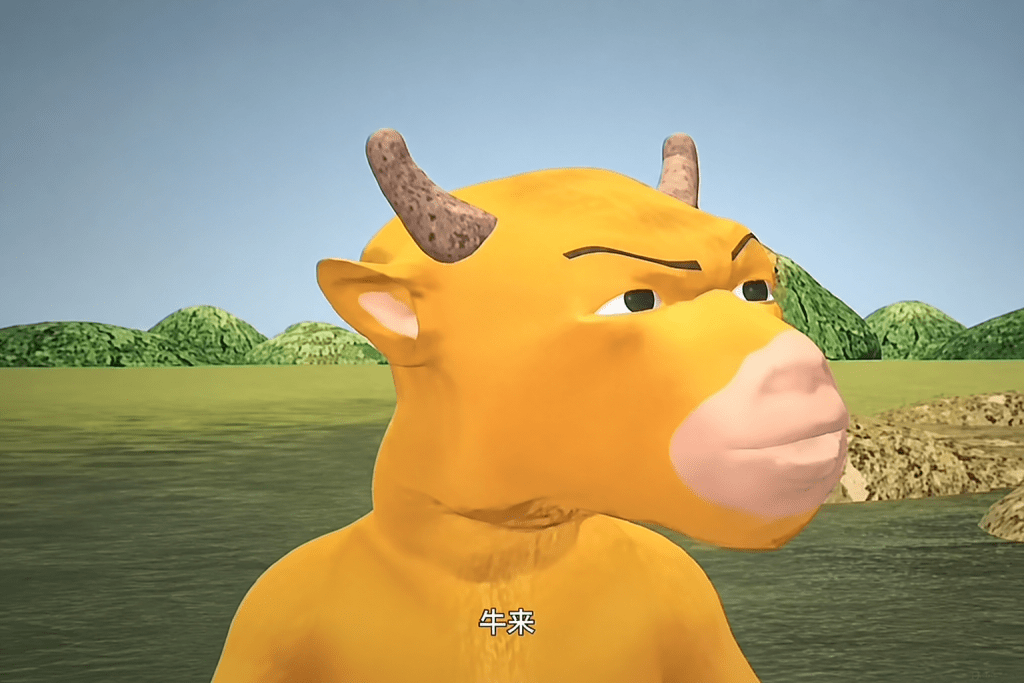
牛来妈妈 · Lead, protecting
Niu Lai's mother
She's the one who names him and nurses him through his weak start, and she extends the same care
to Baola, the orphaned leopard cub, once he's alone. When the wolf pack finally corners the herd
during the migration, she sacrifices herself so Niu Lai can escape. It's the film's turning point,
and the scene where she calls out for him — rough animation and all — is the single moment most
viewers, in both the ironic and sincere readings of the film, say actually got them. Voiced by Sun
Lifang, the director's mother, who also wrote the story.
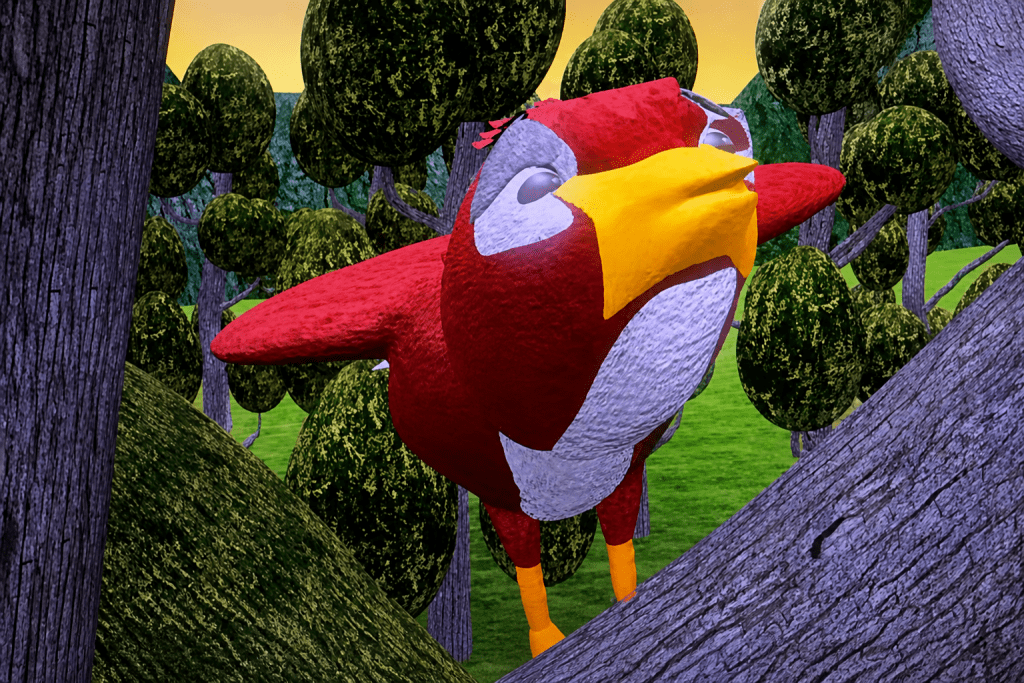
云雀 · Witness
The lark (sometimes named Yunding)
A lark that's flown in from the desert, injured, and taken in by the herd. A lullaby from the
newborn Niu Lai puts the lark to sleep — and the dream that follows, which is most of the film, is
what the lark witnesses. Structurally the lark is the audience's stand-in: it doesn't drive the plot
so much as watch Niu Lai grow through it, the same way a viewer does. Also voiced by Sun Lifang, who
plays both the mother and the lark.
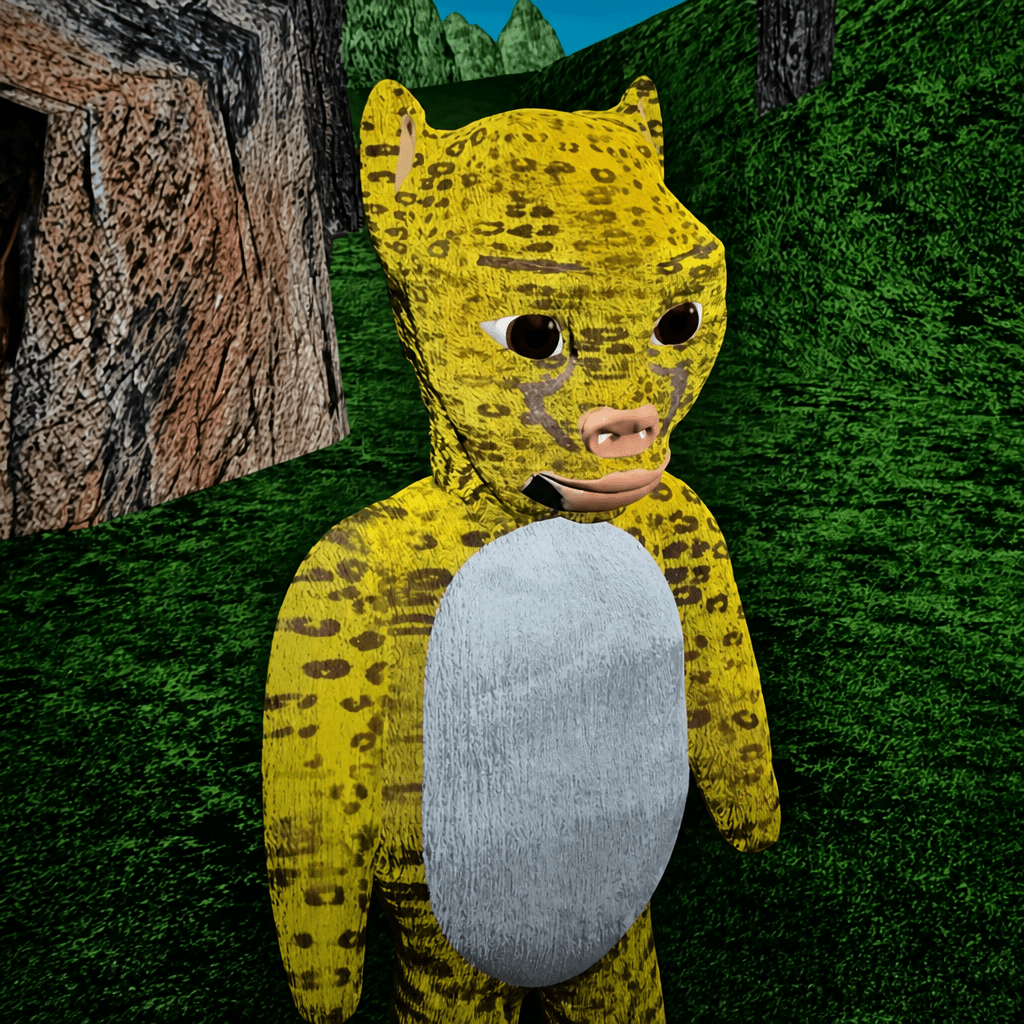
豹拉 · Niu Lai's friend
Baola
An orphaned leopard cub — his mother falls into a pit early on — who Niu Lai and his mother take
in. It's an unusual friendship for a growth fable about a herd of cattle: a predator's cub raised
alongside prey. Baola repays it later, warning the herd when the wolves approach and helping draw
the pack away during the chase that leads to the mother's sacrifice. Of the supporting cast, Baola
gets the most questions from viewers who've only seen a clip and want to know "who's the cat."
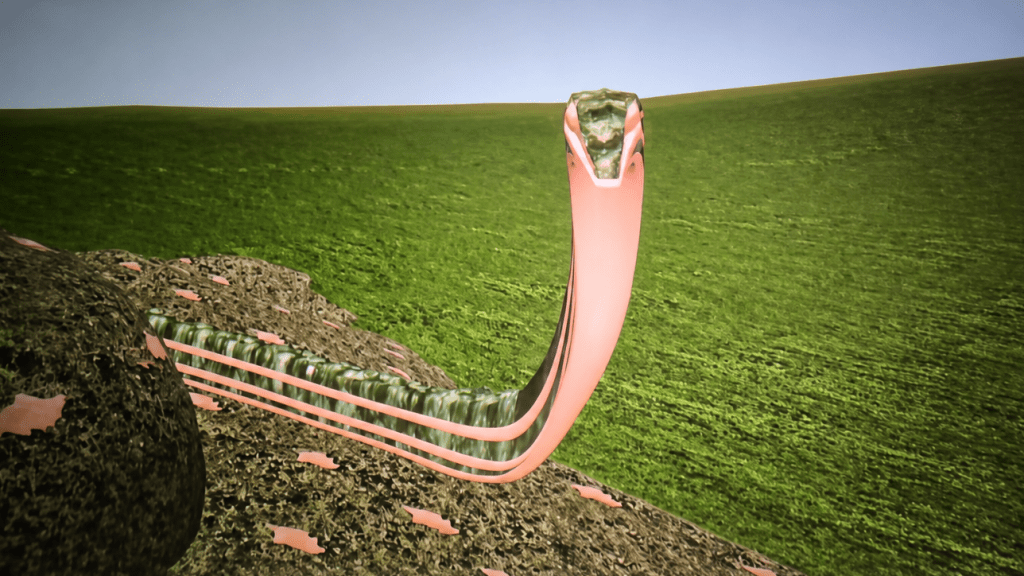
草蛇 · A single scene, lasting effect
The grass snake
Appears once, briefly — and leaves a mark that outlasts the scene. Its bite is what gives young
Niu Lai his fear of snakes, and later scenes have him flinching at rope-like shapes that resemble
it. It's a small piece of craft that's easy to miss on a first watch: a single early incident the
film keeps quietly paying off rather than treating as a one-off scare.
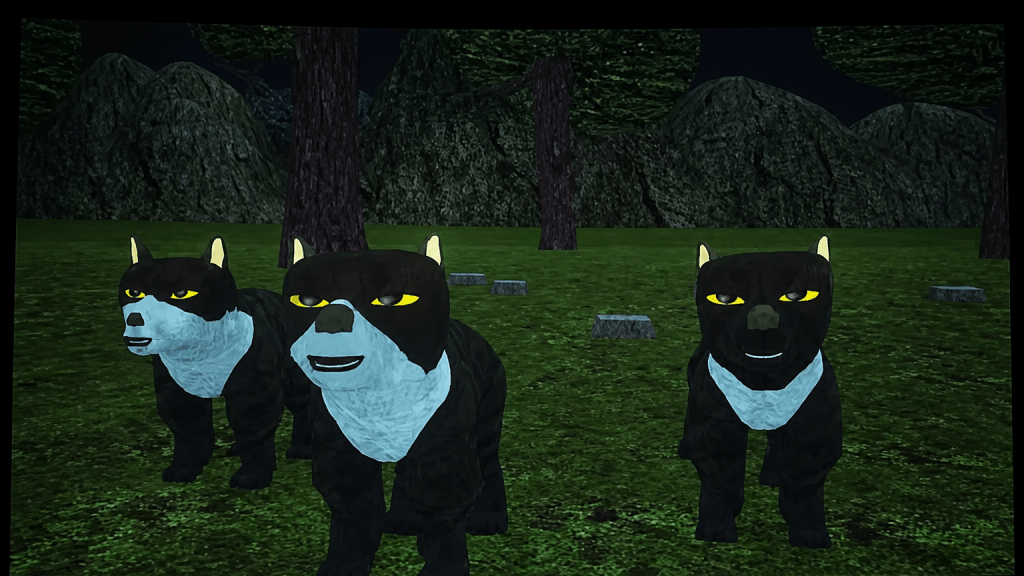
狼群 · Pursuers
The wolf pack
The herd's recurring threat. Repeated attacks force the migration that drives the film's second
half, and the wolves are what Niu Lai's mother is protecting him from when she sacrifices herself.
They're not individually named or developed — they function as pressure on the herd rather than
characters in their own right, which is standard for this kind of coming-of-age fable.
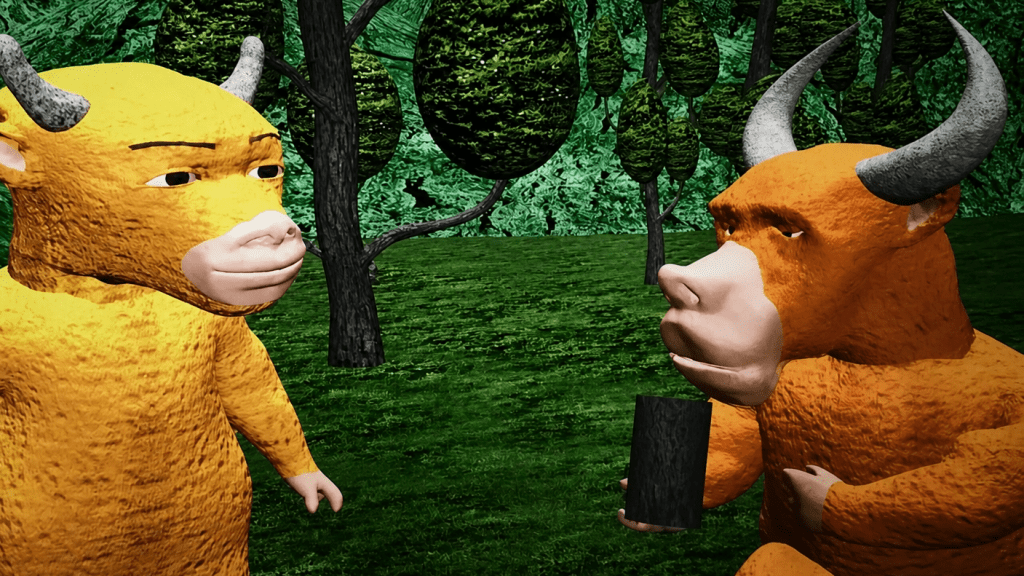
牛爸爸 · Herd leader
Niu Lai's father
Leads the herd, including the migration the wolves force. He's the least screen-heavy of the
seven — most of the emotional weight in the family falls on the mother — but he's the reason the
herd moves as a group at all rather than scattering under pressure.
Character portraits used
with permission from a fellow independent Niu Lai fan site. Names, relationships and plot beats above are
our own summary of the film and its public coverage, not a translation of anyone else's writeup —
see the fact check if you're trying to work out what's confirmed versus reported.